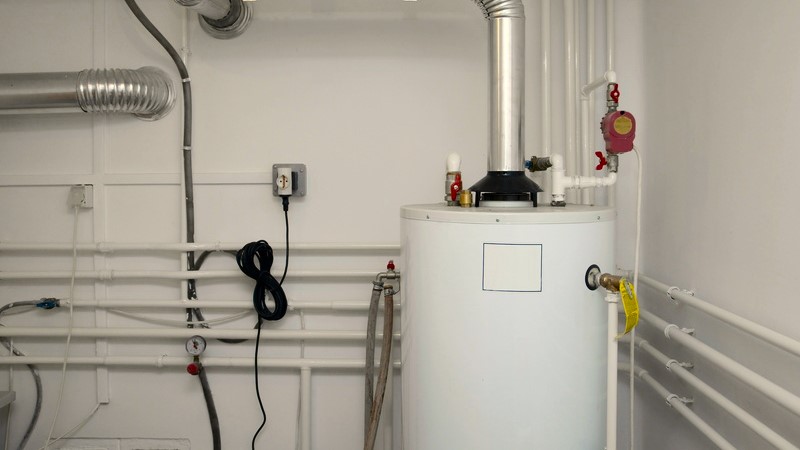




If you live in San Diego, you’ve likely heard it: a strange rumbling, popping, or knocking sound coming from your garage or utility closet. While it might sound like the unit is about to explode, the reality is a very common issue in Southern California, though it can become serious if ignored.
In San Diego County, our supply is classified as “very hard”. This means it’s packed with minerals like calcium and magnesium. While safe to consume, these minerals are the primary reason your heating system is making rumbling noises.
Why the Rumbling Happens: The Science of Sediment
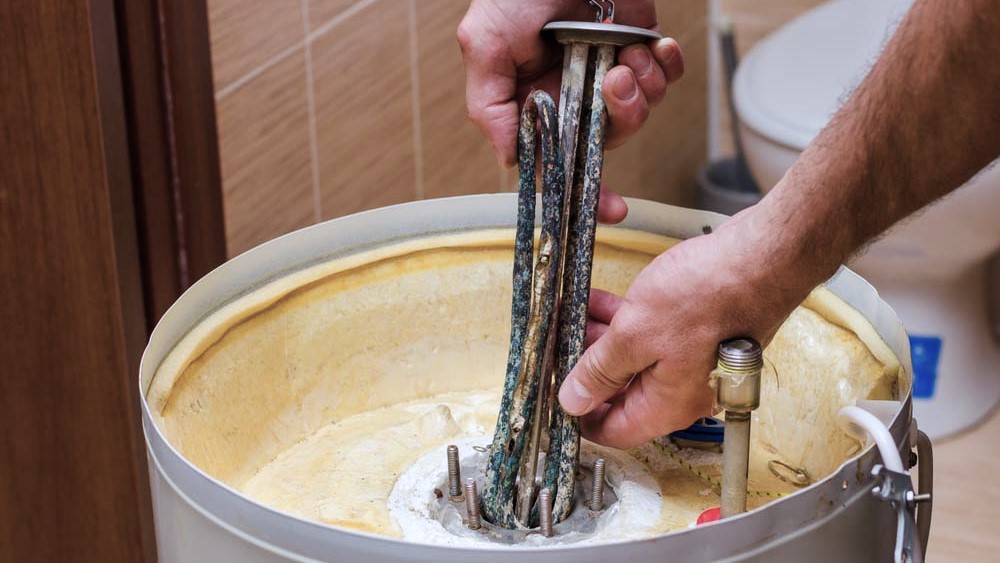
The noise you hear is actually the sound of steam bubbles escaping from under a layer of sediment buildup. Over time, minerals settle at the bottom of the tank, creating a thick crust of scale. When the burner or element ignites, it has to heat that layer of rock first. The moisture trapped underneath reaches a boiling point, turns into steam, and “pops” through the sediment — creating that distinct rumbling or “kettling” sound.
The Real Cost of Ignoring the Noise
It’s not just an annoying sound. In our local climate, ignoring mineral accumulation leads to:
- Higher Utility Bills:
The appliance has to run longer to get past the scale layer, wasting energy. - Reduced Lifespan:
The bottom of the tank can overheat and weaken, eventually leading to a catastrophic leak. - Slower Recovery Time:
It takes much longer to get a hot shower when the system is buried in debris.
Is your hot water system acting up?
Don’t wait for a small noise to turn into a flooded garage.
At Omega Tech Service, we provide expert water heater repair and maintenance in San Diego.
Whether you need a professional flush to remove sediment or a full diagnostic check, our team is ready to restore your home’s efficiency.
How to Fix the Rumbling
For most homeowners in the area, the solution is a professional system flush. Because local water quality is so mineral-heavy, a standard DIY drain often isn’t enough to break up the hardened scale.
- Bi-Annual Flushing:
We recommend servicing the unit every 6 to 12 months to combat Southern California’s specific conditions. - Anode Rod Inspection:
Checking this sacrificial part ensures the tank isn’t rusting from the inside out. - Thermostat Adjustment:
Setting the temperature to 120°F can slow down the rate of scale accumulation.
Expert Conclusion
A rumbling tank is a cry for help. In San Diego, it’s a direct result of our local chemistry. By addressing the sediment buildup early through professional care, you can extend the life of your equipment and keep your monthly costs down.
FAQ: Frequently Asked Questions
Not immediately, but it is a sign of stress. The popping sounds indicate that the base is overheating, which can eventually cause the inner lining to crack.
While the general advice is once a year, our local supply is exceptionally hard. For optimal performance, we recommend a professional flush every 6 to 9 months.
You can, but a simple drain doesn’t always remove the hardened “scale” that causes the noise. A professional service includes a high-pressure flush and an inspection of the internal components.
In most cases, yes. Removing the sediment layer allows the system to heat directly without the “steam-popping” effect. However, if the buildup has been there for years, it may have solidified into a rock-like mass that requires part replacement.